

Water and Sanitation – WASH
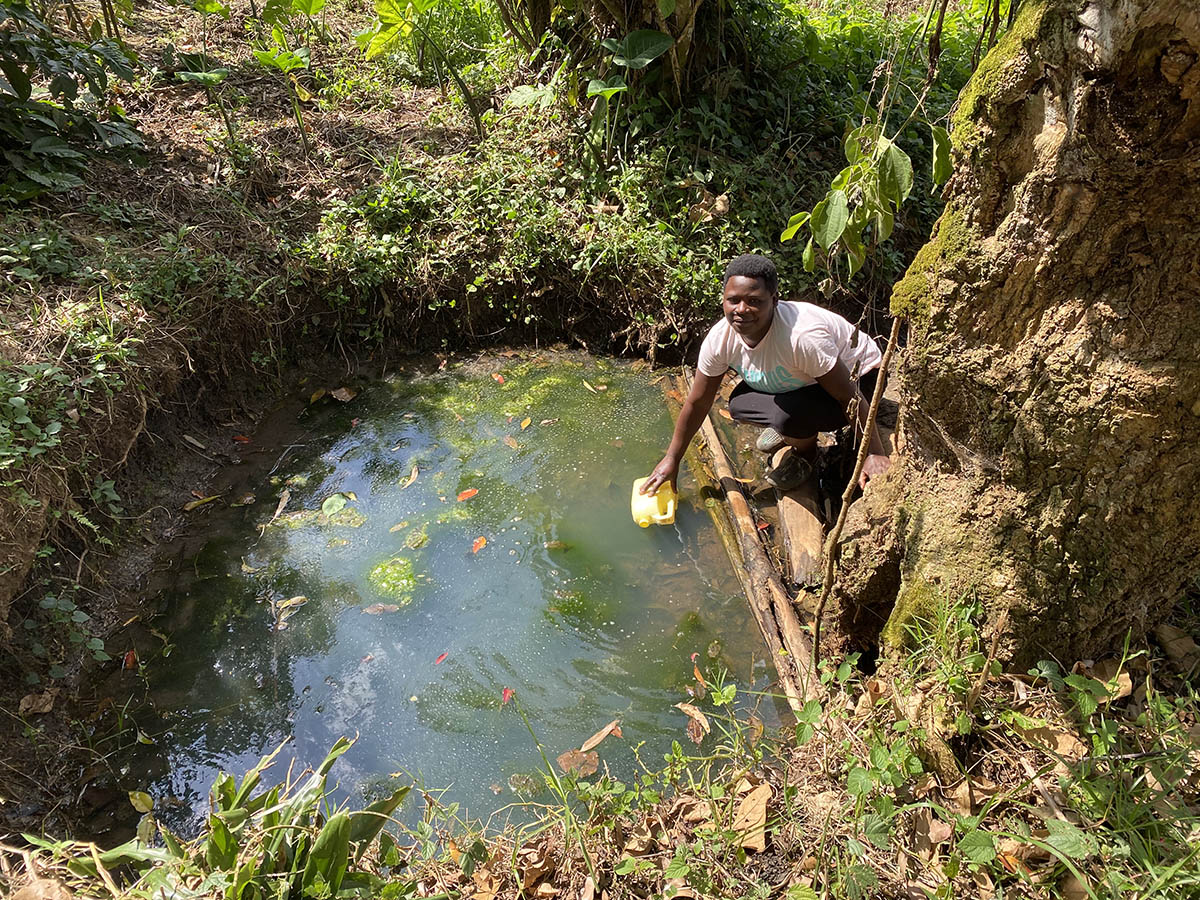
“Access To Clean Water Empowers Communities By Improving Health, Promoting Gender Equality, Boosting Economic Development, And Enabling Better Education. When People Have Reliable Access To Water, They Are Healthier, Can Spend Less Time Collecting Water, And Are Free To Pursue Income-Generating Activities, Education, And Community Decision-Making. This Access Also Fosters Community Ownership through Local Management and Capacity-Building for Sustainable, Long-Term Water Solutions”
In the heart of every community lies the fundamental necessity of clean water for survival. As clean water initiatives continue to gain momentum, the positive impact on community development becomes increasingly apparent. Justice Tourism Foundation explores the transformative power of access to clean water solutions in paving the way for sustainable growth and prosperity. In our journey towards sustainable development, the role of WASH (Water, Sanitation, and Hygiene) community empowerment cannot be overstated. Access to clean water, basic sanitation, and good hygiene practices is not only a fundamental human right but also a critical pillar in the advancement of communities.
Access to clean water, sanitation, and hygiene is a UN-recognized fundamental human right, as outlined in the Sustainable Development Goals (UN SDG 6). It is also a cornerstone of public health. Without WASH, communities face higher risks of preventable illnesses and chronic health conditions. These steps include ensuring sustainable access to safe and clean water, providing facilities for proper sanitation, and working with communities to promote good hygiene practices.
The Impact of Clean Water Initiatives on Community Health
Access to clean water is a cornerstone of community health, with far-reaching implications on well-being. When communities lack access to clean water, they are plagued by waterborne diseases such as cholera, typhoid, and dysentery, leading to high mortality rates, especially among children and the elderly. By implementing clean water initiatives, we can significantly reduce the incidence of these diseases, thus improving overall community health and vitality.
Moreover, clean water is not only essential for drinking but also for sanitation and hygiene practices. Communities with access to clean water can maintain proper hygiene standards, reducing the spread of illnesses and promoting a healthier living environment for all residents. Adequate clean water resources are the foundation upon which a thriving and resilient community is built.
In addition to physical health benefits, clean water initiatives have a profound impact on mental health and overall quality of life. Knowing that clean and safe water is readily available brings peace of mind to individuals and allows communities to focus on other aspects of development without the constant threat of water-related illnesses.
Through targeted interventions and sustainable water management practices, communities can break the cycle of poor health perpetuated by contaminated water sources. By investing in clean water initiatives, we invest in the well-being and future of communities, fostering a legacy of improved health outcomes for generations to come.
By embracing sustainable water solutions, communities also become stewards of environmental conservation. Conserving water sources and promoting sustainable practices ensure the long-term availability of clean water for future generations. Empowered communities take collective responsibility for preserving natural resources, resulting in a more sustainable and environmentally conscious approach to water management.
Through empowerment and sustainable water solutions, communities can break free from the cycle of poverty and dependency, paving the way for holistic development and prosperity. The transformative impact of empowering communities through access to clean water reverberates across social, economic, and environmental spheres, creating a brighter future for all.
Empowering Communities through Sustainable Water Solutions
Empowerment is at the core of sustainable water solutions, as it enables communities to take control of their own development journey. When communities have access to reliable and clean water sources, they gain a sense of autonomy and self-sufficiency in meeting their daily needs. This empowerment cultivates a spirit of resilience and innovation, allowing communities to overcome challenges and thrive amidst adversity.
Furthermore, sustainable water solutions empower communities economically by creating opportunities for income generation and entrepreneurship. Access to clean water is not just a basic necessity but also a catalyst for economic growth. Communities can engage in agriculture, small-scale industries, and local businesses that are dependent on water resources, thereby improving livelihoods and fostering economic independence.
By embracing sustainable water solutions, communities also become stewards of environmental conservation. Conserving water sources and promoting sustainable practices ensure the long-term availability of clean water for future generations. Empowered communities take collective responsibility for preserving natural resources, resulting in a more sustainable and environmentally conscious approach to water management.
Through empowerment and sustainable water solutions, communities can break free from the cycle of poverty and dependency, paving the way for holistic development and prosperity. The transformative impact of empowering communities through access to clean water reverberates across social, economic, and environmental spheres, creating a brighter future for all.
Nearly 90 percent of Uganda’s 37 million people live in small towns and rural areas, and roughly two-thirds of them lack access to safe water.


Pit latrine coverage in Uganda is low, 47%. A study done by UNICEF(1993) showed that pit latrine coverage was 20%, and those families who have the pit latrines but do not use them, while others have them but in poor hygienic conditions, and yet others do not have them at all. As a result of this, there is a high incidence of diseases caused by poor sanitary conditions, especially worm infestation and diarrhea.
The journey towards community development begins with empowerment, and sustainable water solutions catalyze positive change. By empowering communities through access to clean water, we not only address immediate needs but also lay the groundwork for long-term growth and prosperity, fostering a cycle of empowerment that uplifts communities and transforms lives.
How Can You Be Involved?
Justice Tourism Foundation makes it simple for everyone to contribute towards Water and Sanitation Project. Every donation made will result in the ripple effects of clean water initiatives which are far-reaching, laying a strong foundation for the holistic development of communities worldwide.
Book Your Ugandan Dream Safari Today!
Join Our Global Community Of Impact-Minded (Conscious) Travelers Who Want To Move Beyond Traditional Tourism To Engage In Genuine Cross-Cultural Connection And Learning Opportunities – Inspiring Compassion Towards Fellow Human Beings.