

COFFEE AND HONEY FOR CONSERVATION
Join Short Term Hands-On Volunteer Project in Uganda and Make a Sustainable Impact on Disadvantaged Communities While Soaking in the Vitality of Scenery, Wildlife and the Warm and Welcoming Nature of Its People
Project Overview
Uganda is home to an estimated population of over 5,000 common chimpanzees, making it a stronghold for the species in East Africa, with a key population found in Kibale National Park – approx. 1,500 are alive today, but struggling for a tomorrow. Surrounding their protected habitat are isolated and impoverished communities. Due to their proximity both inside and outside the national park, these communities are faced with a daily wildlife-human conflict, leading to struggles for space and water. Elephants, chimpanzees, baboons, and monkeys are fairly regular visitors in the Kahangi community, lured by water, bananas, maize, and other food crops which are grown in the area by the villagers. These wildlife caused intensive crop damage and frequently attacked both humans and their cattle. This understandably made the villagers less tolerant of wildlife. They often resorted to poisoning them. There is little incentive to look after the wildlife because community members do not financially benefit from the tourism business that wildlife attracts. And their means of livelihood were being undermined by that same wildlife. This, along with habitat encroachment, poaching, and economic instability, is threatening the coexistence of both the communities and the wildlife.
Why This Project Matters
The “Coffee And Honey For Conservation Program” is an alternative strategy to encourage the communities to plant non-preferred crops (like coffee) as an income-generating activities (AIGAs) to replace food crops, which attracts chimpanzees, elephants, and other wildlife by focusing on crops and livelihoods that are non-palatable to chimpanzees, elephants and other wildlife, higher-value, and support sustainable coexistence with wildlife. Chimpanzees and elephants do not eat coffee berries, and it provides a valuable, high-income cash crop that grows well in existing gardens without requiring further deforestation and encroachment on the park.
Beekeeping (Beehives fencing) not only serves as a security barrier to deter elephants from entering farms, but it is also a highly effective alternative income source for the communities. Products such as honey, beeswax, and bee venom have a market. In addition to providing pollination services (which could increase crop yields) and honey and beeswax (which farmers can sell to diversify their income), while promoting forest conservation and reduces poaching in the forest, ultimately conserving local biodiversity and helping maintain the natural environment.
Integrating coffee farming with beekeeping (honey production) is a sustainable agroforestry model that promotes conservation by enhancing biodiversity, reducing the need for harmful chemical pesticides, and providing economic alternatives to human and wildlife conflicts and deforestation. This alternative strategy allows farmers adjacent to Kibale National Park to coexist with the wildlife while improving their livelihoods through diverse income streams.
The “Coffee and Honey for Conservation Program further supports the farmers through training in sustainable coffee farming and processing. This helps to improve the coffee quality and increase production yield. Supporting local farmers helps to protect the critically endangered Chimpanzees and their fragile habitat. The program prioritizes women and makes a special effort to support women coffee farmers, helping to provide opportunities for women’s economic empowerment, disrupt male financial dominance, and break ingrained stereotypes in the communities. The program also supports farmers through training in sustainable beekeeping, and processing is a high-impact, low-cost intervention that improves rural livelihoods while promoting biodiversity. This helps farmers to act as “guardians” of the environment, reducing deforestation to protect nectar sources.
The Project is located in Fort Portal, a city in western Uganda, and is one of Uganda’s most picturesque, vibrant, and welcoming cities in Uganda. Situated at the base of the Ruwenzori Mountains, Fort Portal is the gateway to your Ugandan adventures, often referred to as the garden city. It sits at about 1,500 meters above sea level and is surrounded by lush rolling hills, rocky crater lakes, and tea plantations.
The region offers a wide variety of activities, from wildlife safari excursions at the Queen Elizabeth National Park, an exploration of the many crater lakes, and nature walks. Lush rainforests, rivers, and waterfalls, nature hikes, bird watching, tea picking, to Kibale National Park, which is famous for chimpanzee trekking and 12 other primate species, and away from the crowds, is Semliki Wildlife Reserve and Semliki National Park, which promise a wilderness experience, hot springs, and birdlife you can see nowhere else in Uganda.
Volunteer Role
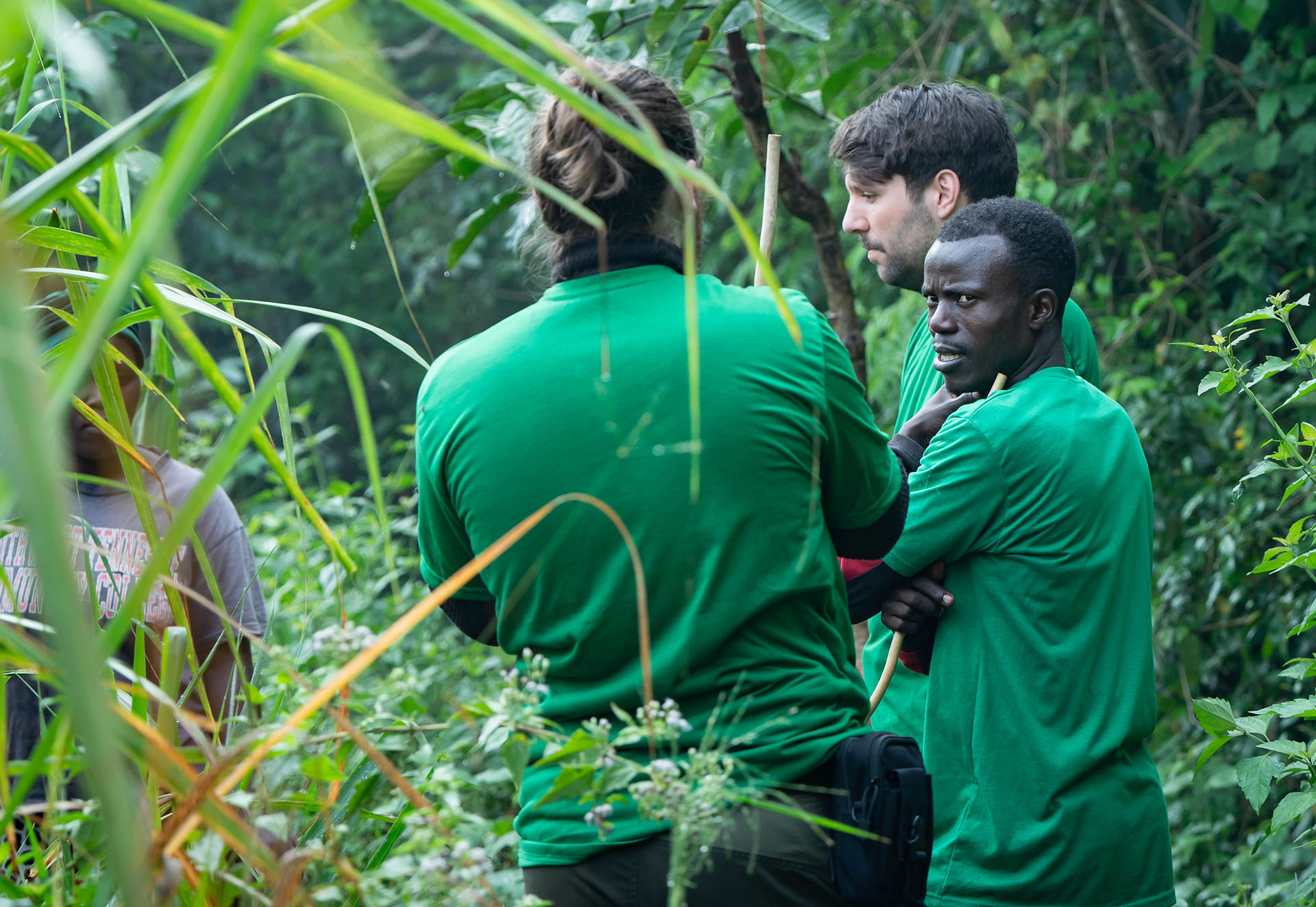
Volunteers assist with a wide variety of hands-on tasks depending on the season and the needs of each farm. Volunteers in “Coffee and Honey for Conservation” projects will be engaged in a variety of hands-on, environmentally sustainable activities designed to support both local farmers and biodiversity. Volunteers generally assist with organic farming methods, sustainable beekeeping, and community-based conservation initiatives. Through creating green spaces, promoting biodiversity, and planting bee-friendly species, volunteers will contribute to the preservation of these vital pollinators. Assignments involve 4-5 hours of field tasks per day, providing hands-on learning and practical conservation efforts.
Highlights
- Experience authentic rural life while supporting farmers in coffee and beekeeping activities.
- Learn sustainable farming and beekeeping techniques directly from local families preserving ancestral traditions.
- Develop practical skills that strengthen your CV through hands-on agricultural and environmental work.
- Build meaningful relationships with farmers, families, and fellow volunteers in a warm rural community.
- Explore Uganda’s stunning countryside, wildlife safari excursions, chimpanzee tracking, gorilla trekking, visit tea and coffee farms, visit waterfalls, mountains, and nearby cultural towns during your free time.
In beekeeping:
- Hive Construction: Building and repairing hives to provide safe habitats for bees
- Creating healthier spaces for bees
- Learning and teaching safe beekeeping practices
- Helping expand the number of hives and colonies
- Exploring new bee‑based products
- Raising awareness about the importance of pollinators for crops and ecosystems
On coffee farms:
Land preparation and planting: Participating in organic highland Arabica coffee farming, including nursery care and planting seedlings.
- Harvesting & Processing: Harvesting coffee cherries and assisting with post-harvest processing such as washing, peeling, sun-drying, and packing.
- Agroforestry: Planting shade trees (like Albizia) alongside coffee plants to improve soil moisture and biodiversity.
- Reforestation & Protection: Planting trees and protecting existing forests to conserve the surrounding ecosystem.
- Improving Facilities: Helping with the renovation of farms, campsites, or building traditional structures with local materials.
- Cultural Exchange: Engaging with local communities, sharing meals, and supporting local schools with sports or arts and crafts.
Although farm work is available year‑round, the main harvest seasons are April–May and October–November.
Volunteers do not always need prior experience, but they are encouraged to have a positive attitude toward manual work in the sun and a willingness to learn about ecological farming.
Community Impact
Your contribution directly supports rural families who rely on agriculture as their only income. By helping with daily tasks, improving production, and introducing ecological techniques, volunteers strengthen the local economy and help farmers remain self‑sufficient. In beekeeping, volunteers help protect pollinators, increase biodiversity, and improve crop yields—creating long‑term benefits for the entire community.
Cultural Exchange
Volunteers work alongside farmers and their families, sharing meals, stories, and traditions. This is a unique opportunity to experience authentic rural life in Uganda, learn ancestral farming techniques, and connect deeply with the community. During free time, volunteers can explore the beautiful countryside, mountains, waterfalls, and nearby cultural towns.
Typical day
A typical day begins early in the morning, when temperatures are cooler, and farm work is most comfortable. Volunteers start the day with a traditional breakfast prepared by the host family before heading out to the fields.
Morning activities vary depending on the season and the needs of the farm. Volunteers may help clean and prepare the land, plant or maintain crops, harvest coffee, or transport produce—often by Tok-Tok motorbike—to the factory for processing. Those supporting beekeeping may assist with hive checks, creating healthy spaces for colonies, or learning about honey extraction and other bee‑based products.
Work usually finishes before midday, as the heat becomes too strong for safe and comfortable outdoor labor. After returning home for lunch, volunteers have the rest of the day free to relax, explore the countryside, visit waterfalls or nearby towns, or spend time with the host family.
Because the afternoons are free, volunteers also have the option to combine this program with another project in the area, allowing them to experience different activities and contribute to multiple community initiatives.
Evenings are calm and peaceful, offering a unique opportunity to enjoy rural Ugandan life and connect deeply with the community.
Volunteer With Justice Tourism Foundation
oin Our Global Community Of Impact-Minded (Conscious) Travelers Who Want To Move Beyond Traditional Tourism To Engage In Genuine Cross-Cultural Connection And Learning Opportunities – Inspiring Compassion Towards Fellow Human Beings.